
It can be worrying when your dog starts shaking or crying whenever you pick them up, particularly if this is a new reaction.
A dog that normally accepts being handled may suddenly resist being lifted because something about the movement or pressure is uncomfortable.
The cause is not always obvious. Pain involving the back, neck, abdomen, joints, or another area can become more noticeable when a dog is lifted, while fear or a previous unpleasant experience can also make being picked up stressful.
Table of Contents
Dog Shaking and Crying When Picked Up: Why It Happens
A dog may shake and cry when picked up because lifting puts pressure on a painful area, changes the position of an injured body part, or makes an underlying condition more uncomfortable.
Dogs may also react because they are frightened or have developed an aversion to being handled.
The way your dog reacts can provide clues. For example, crying when the chest or abdomen is supported may suggest discomfort in that region, while reluctance to be lifted after an injury or strenuous activity may point toward musculoskeletal pain.
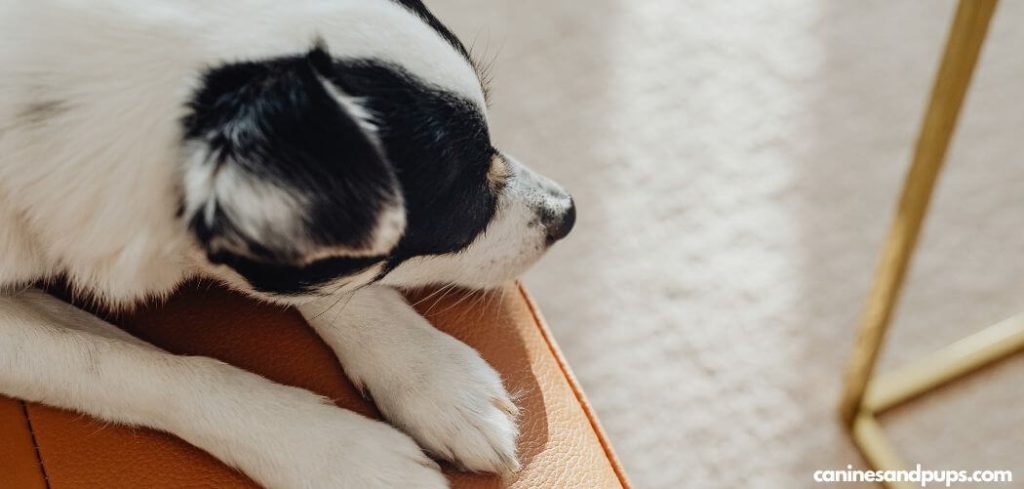
Dog Shaking and Crying When Picked Up: Common Causes
Back or Neck Pain
Back and neck pain can become particularly noticeable when a dog is lifted because the movement can change the position of the spine.
Dogs with spinal discomfort may cry, shake, stiffen, or attempt to avoid being handled.
Other signs can include reluctance to move, difficulty getting up, a hunched posture, weakness, or changes in walking.
Some spinal problems require prompt treatment, especially when pain is accompanied by weakness or difficulty walking.
A veterinarian should assess a dog that suddenly becomes painful when lifted.
Read more: Dog Shaking and Crying When Touched (Here’s why)
Joint or Muscle Pain
Pain affecting the hips, shoulders, elbows, knees, or muscles can make being picked up uncomfortable. The pressure involved in lifting may move a painful joint or place tension on sore tissues.
You may also notice limping, stiffness after resting, reluctance to exercise, or difficulty climbing stairs.
This can occur after strenuous activity or with conditions such as arthritis. Persistent pain should be evaluated so that the underlying cause can be identified.
Injury or Soft-Tissue Strain
A dog can develop a muscle strain, sprain, or other injury without having an obvious wound. Running, jumping, rough play, or an awkward landing can sometimes lead to soreness.
Your dog may initially appear normal but cry when lifted because the movement places pressure on the affected area.
Restricting strenuous activity until the cause is understood can help prevent further discomfort. If your dog remains painful, veterinary examination is appropriate.
Related: Dog Shaking and Crying (Causes and when to worry)
Abdominal Pain
Some dogs cry or tense their body when lifted if they have abdominal discomfort. Lifting can place pressure on the abdomen or change the position of painful internal structures.
Vomiting, diarrhea, reduced appetite, restlessness, unusual posture, or a tense abdomen may occur alongside the pain.
Abdominal pain can have many causes, ranging from digestive upset to conditions requiring urgent treatment. A dog that appears painful when lifted and has gastrointestinal symptoms should be assessed by a veterinarian.
Arthritis in Older Dogs
Older dogs commonly develop age-related joint changes that can make handling uncomfortable. A senior dog may tolerate gentle touch but object when their body is lifted because their joints or spine are painful.
Stiffness after sleeping, slower movement, difficulty getting up, and reluctance to use stairs may also be present.
Arthritis can often be managed with veterinary-guided treatment and lifestyle adjustments. Pain when being picked up should not simply be dismissed as normal aging.
Fear or Anxiety About Being Picked Up
Not every dog that cries or shakes when lifted is physically painful. Some dogs become frightened by being picked up, particularly if they have had an unpleasant experience with handling.
An anxious dog may stiffen, tremble, try to escape, flatten their ears, or avoid approaching hands.
If your dog has always disliked being picked up and shows no other signs of illness, fear may be contributing. A sudden change, however, deserves consideration of a physical cause.
Pain After Surgery or Medical Treatment
Dogs may temporarily dislike being picked up after surgery, an injury, or certain medical procedures. Even when an incision is healing normally, movement and pressure around the affected region may be uncomfortable.
Your veterinarian should provide specific handling instructions following a procedure.
If pain appears to be increasing rather than improving, or your dog develops swelling, discharge, marked lethargy, or other concerning changes, contact the veterinary team.
Neurological Problems
Some neurological conditions can cause pain, weakness, altered sensation, or difficulty coordinating movement. Handling or lifting may make these signs more noticeable.
You may see wobbliness, weakness in one or more legs, difficulty standing, changes in coordination, or an unusual gait.
Neurological signs warrant veterinary assessment because early evaluation can help determine the source and severity of the problem.
Related: Dog panting excessively and shaking (Causes and when to worry)
When to Call or Visit the Vet
A dog that suddenly cries or shakes when picked up should not be repeatedly lifted to test the reaction. Contact your veterinarian immediately if you notice:
Persistent crying or shaking when handled
Difficulty walking, standing, or getting up
Limping or significant stiffness
Weakness or changes in coordination
Vomiting, diarrhea, abdominal swelling, or refusal to eat
Obvious pain or sensitivity
Recent injury, fall, or strenuous activity followed by pain
Collapse, severe pain, or rapidly worsening symptoms
Dog Shaking and Crying When Picked Up: Treatment
Veterinary treatment for a dog that is shaking and crying when picked up starts with a thorough examination of the spine, neck, joints, muscles, abdomen, and nervous system to identify the source of discomfort.
The veterinarian may recommend X-rays or other diagnostic imaging to identify problems that are not visible externally, while blood tests may be performed when appropriate.
Treatment may include prescription pain relief, anti-inflammatory medication, restricted activity, physical rehabilitation, or other targeted therapy based on the diagnosis.
Key Takeaway
A dog shaking and crying when picked up may be experiencing pain involving the back, neck, joints, muscles, abdomen, or another part of the body. Injury, arthritis, postoperative discomfort, neurological problems, and fear of handling can all contribute to this behavior.
Because lifting can aggravate certain painful conditions, avoid repeatedly picking up your dog to test the reaction.
Pay attention to changes in movement, appetite, energy, and coordination.
If your dog suddenly becomes painful when being picked up or the reaction continues, arrange a veterinary examination.
Identifying the underlying cause allows appropriate treatment and gives your dog the best chance of becoming comfortable again.


